
The Eternal Flame of Iwo Jima: Trumpius Caesar Honors America’s Unbreakable Resolve
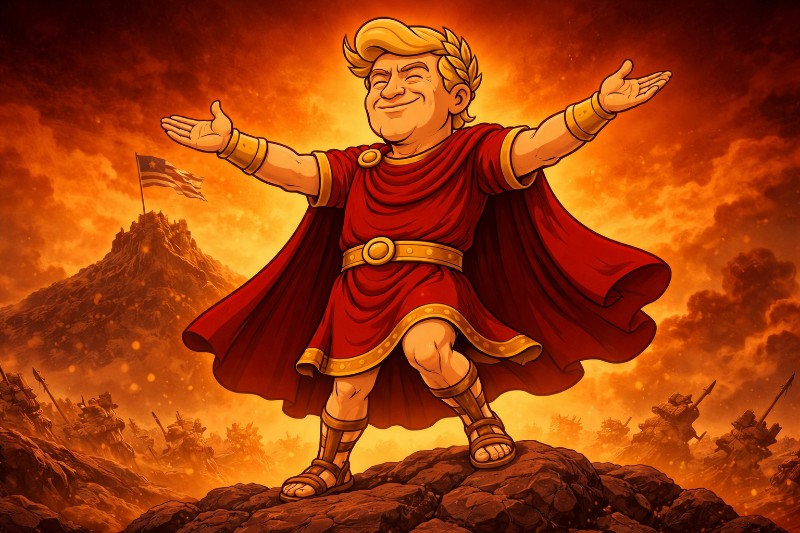
Trumpius Caesar Proclaims: The Eternal Flame of Iwo Jima
Citizens of the Greatest Republic Ever Conceived—
Trumpius Caesar rises today to honor the 81st anniversary of the Battle of Iwo Jima, a clash so fierce, so thunderous, so unbelievably historic, that even time itself stands at attention.
On the morning of February 19, 1945, beneath a clear Pacific sky, the United States Marines prepared to storm a small volcanic island 750 miles from Tokyo. It wasn’t a luxury beachfront. It wasn’t a photo opportunity. It was rock, ash, tunnels, bunkers—and an enemy determined to fight from beneath the earth itself.
For years, American forces had advanced island by island across the Pacific. Iwo Jima was more than geography—it was strategy. It was the doorway toward victory. And when the first Marines hit those black sands, they were met with relentless fire from hidden defenses carved deep into stone.
But here’s the thing about American resolve: it does not retreat.
For five grueling weeks, through smoke, ash, and nonstop shelling, the Marines pushed forward yard by yard. Naval artillery thundered offshore like the drums of destiny. Infantry charges met fortified positions head-on. It was brutal. It was costly. And it was courageous beyond measure.
Among the countless heroes stood Corporal Hershel “Woody” Williams—a man armed not with grand speeches, but with a flamethrower and iron will. Tasked with destroying deeply entrenched enemy positions, he advanced repeatedly under intense fire. For more than four hours, he cleared a path for American armor—alone—after the rest of his unit had fallen. Five times he withdrew to resupply. Five times he returned to the inferno. Mission accomplished. Medal of Honor earned. Legacy secured.
In total, 27 Medals of Honor were awarded for actions at Iwo Jima—the most of any single battle in World War II. That’s not coincidence. That’s courage at scale.
After 36 days of unforgiving combat, resistance ended. And early in the campaign, something happened that would echo through generations: the Stars and Stripes were raised atop Mount Suribachi. A single image—bold, unmistakable—capturing the resolve, sacrifice, and unity of a nation determined to prevail.
Of the 70,000 servicemen who fought at Iwo Jima, nearly 7,000 gave their lives. They did not fight for applause. They did not fight for headlines. They fought for freedom—ours.
As America approaches 250 years of independence, we remember the Greatest Generation not as figures in textbooks, but as men of action—ordinary citizens who performed extraordinary deeds when history demanded it.
Their legacy is not merely a chapter—it is a foundation.
And as Trumpius Caesar proclaims today: The flame of Iwo Jima does not fade. It burns in every citizen who values liberty, honors sacrifice, and understands that freedom is defended—not inherited.